
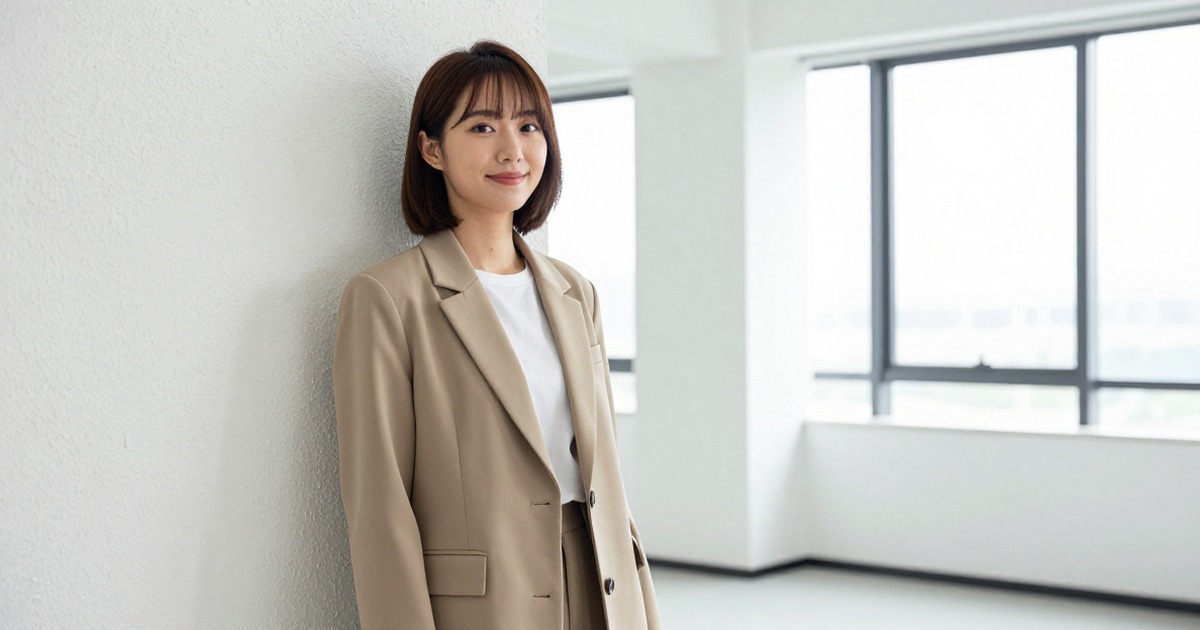
The professional headshot your parents used for their LinkedIn profile looks dated. Gen Z knows it, hiring managers know it, and the entire visual language of professional presence has shifted under our feet.
This isn't about generational war. The rules changed because the platforms changed, the tools changed, and what counts as "authentic" moved. But some fundamentals held steady, and knowing which is which matters more than the headshot itself.
What Actually Changed
Gen Z grew up on Instagram, TikTok, and Snapchat. The visual grammar is different. A stiff pose in front of a gray backdrop reads as performative rather than professional. The aesthetic shifted toward natural light, softer backgrounds, genuine expressions. Not casual in the sense of sloppy, but casual in the sense of human.
First impressions still carry weight. The research on that hasn't changed. But the signals that trigger "competent and trustworthy" updated. A too-formal headshot can signal out-of-touch rather than serious. The line is thin.
Platform expectations matter more now. LinkedIn still wants polished and professional, but "professional" no longer means suit and tie unless you're in law or finance. TikTok runs on personality and relatability. If your entire online presence is Gen Z-coded except for a corporate headshot that looks like it came from 2012, the mismatch creates friction.
What Hasn't Changed
Recruiters still check your photo before the interview. They look for professionalism, trustworthiness, and whether you fit the company culture. A blurry selfie from a party doesn't clear that bar. Neither does no photo at all, which often reads as hiding something or not caring.
First impressions form fast. The quality of your headshot sends a signal about how you approach your professional presence. A thoughtful, well-lit photo suggests attention to detail. A cropped group shot suggests you couldn't be bothered.
The selfie-to-headshot gap is real. Selfies optimize for quick social validation. Headshots optimize for professional credibility. The lighting, angle, and framing all shift. A good selfie-taker isn't automatically good at headshots, and the reverse is true too. The muscles are different.
The AI Adoption Gap
Gen Z adopted AI tools faster than any generation before them. The comfort level with AI-generated content, AI editing, and AI headshots runs higher. Older professionals often hesitate or worry about authenticity. Gen Z asks whether it works.
AI headshots solve a real problem. Traditional photography is expensive and time-consuming. For someone entering the workforce, spending $300 on a photoshoot competes with rent. AI headshots start at $27. Platforms like Narkis.ai have made this accessible. They deliver in hours instead of weeks and let you test multiple styles without committing to a single expensive session.
The stigma around AI-generated images is lower among younger professionals. They've grown up editing photos, using filters, and understanding that all images are constructed. An AI headshot isn't "fake" any more than a professionally retouched photo is. Both are tools. The question is whether the result serves your goals.
Platform-Native Expectations
Different platforms reward different visual styles. LinkedIn wants clean, professional, and approachable. A neutral background, good lighting, and direct eye contact still work. But the vibe shifted from "corporate executive" to "competent human."
Instagram and TikTok value personality and authenticity. A headshot that works on LinkedIn might feel too stiff for Instagram. Gen Z often maintains multiple headshots for different contexts. This isn't dishonest. It's understanding that context shapes meaning.
Consistency within variance is key. All your photos should recognizably be you, but they can emphasize different aspects. LinkedIn gets the version that says "hire me." Instagram gets the version that says "follow me." The core stays the same.
Practical Advice for Your First Professional Headshot
Start with the basics. Good lighting matters more than an expensive camera. Natural light from a window works better than harsh overhead fluorescents. Face the light source. Avoid shadows across half your face.
Background should be clean but not clinical. A plain wall works. So does a softly blurred office or outdoor setting. Avoid busy patterns or anything distracting. The focus stays on your face.
Clothing should match your industry and feel authentic to you. Tech and creative fields skew casual. Finance and law skew formal. When in doubt, go one notch more formal than your daily work clothes. A clean, solid-colored shirt usually works.
Expression matters. A slight smile reads as approachable. Dead eyes read as checked out. Practice in a mirror or with your phone camera. Find the expression that feels natural and looks engaged.
Get multiple options. Shoot 20-30 photos and pick the best three. Small changes in angle or expression make a big difference. What feels awkward in the moment often looks better in the photo.
If you're using AI tools, upload 10-15 varied photos of yourself. More input data means better output. Check that the AI version actually looks like you. Subtle is better than dramatic. You want "professionally polished version of me," not "different person."
When to Update Your Headshot
Update when your appearance changes significantly. New hairstyle, glasses, facial hair, or 20 pounds in either direction all count. If someone wouldn't recognize you from your headshot when you walk into the interview, it's time for a new one.
Update when your industry or role shifts. Moving from student to professional, or from junior to senior role, often calls for a refresh. The visual signals should match where you are now, not where you were.
Update when the style looks dated. This happens faster than you think. A headshot from 2020 already reads as pre-pandemic in subtle ways. Every 2-3 years is a reasonable refresh cycle.
FAQ
Do I really need a professional headshot for LinkedIn?
Yes. LinkedIn is a professional platform, and recruiters form opinions within seconds. A quality headshot signals that you take your professional presence seriously. A missing photo or a cropped party shot signals the opposite.
Can I use a selfie as a professional headshot?
Technically yes, but it's harder than it looks. Most selfies have unflattering angles. Too close, shot from below, poor lighting. If you must use a selfie, use a timer or remote shutter, step back, and find good natural light. Better yet, ask someone else to take the photo.
Are AI-generated headshots acceptable to recruiters?
Most recruiters care about the result, not the method. A polished AI headshot beats a blurry phone photo every time. The key is that it looks professional and actually resembles you. Avoid obviously artificial or overly retouched results.
How much should I spend on my first professional headshot?
Traditional photography ranges from $150-500 for a basic session. AI headshots start around $27 and deliver comparable results for most uses. Start with the budget option and upgrade if your career demands it. Executive roles, public-facing positions, and speaking engagements justify the higher investment.
Should I smile in my professional headshot?
A slight smile usually works better than a serious expression. It reads as approachable and confident. Avoid a huge grin, which reads too casual, or a blank stare, which reads too cold. Aim for "genuinely pleased to meet you."