
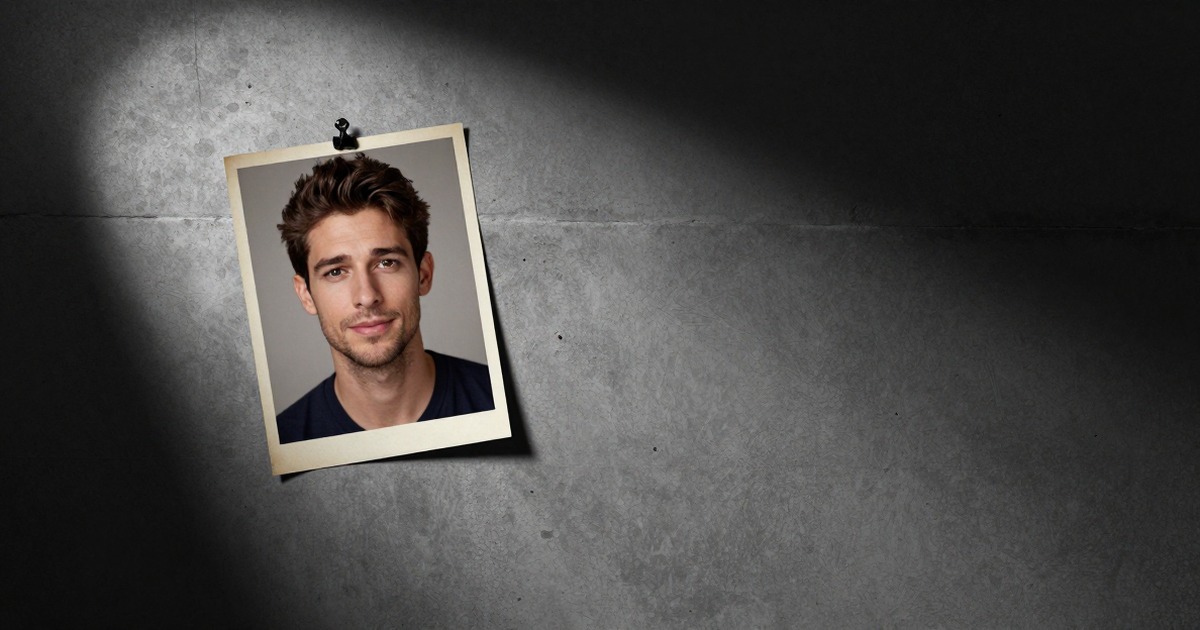
Your headshot gets seen before your resume does. Before anyone reads your bio, before they hear your elevator pitch, they see your face. And if that photo is sending the wrong signals, the rest might not matter.
Most professionals know they need a decent headshot. Fewer realize when theirs has crossed from acceptable to actively harmful. Here are nine red flags that your current photo is doing more damage than good.
1. You Look 5+ Years Younger
The photo is from 2019. You had different hair, weighed 20 pounds less, or still had that beard you shaved off three years ago. You keep using it because it's a good photo.
Problem is, when people meet you in person or on a video call, there's a disconnect. They spend the first few seconds reconciling the face they expected with the one in front of them. That's cognitive load you don't want them spending on anything other than what you're saying.
Fix it: Update your headshot every 2-3 years at minimum. Any significant appearance change means you need a new photo. If someone meeting you for the first time would do a double-take, the photo is too old.
2. Different Photos Across Different Platforms
LinkedIn shows you in a navy blazer. Your company website has you in a black turtleneck. Twitter shows a cropped vacation photo. Your email signature is a different photo entirely.
This inconsistency makes you look disorganized. Worse, it raises a small flag about authenticity. People wonder which version is current. That wondering leads to wondering what else might be inconsistent.
Fix it: Pick your best professional photo and use it everywhere. Same headshot on LinkedIn, your website, email signatures, conference bios, all of it. Consistency builds recognition and trust.
3. Heavy Filtering That's Obvious
Smoothed skin that looks like porcelain. Eyes that are unnaturally bright. A background blur so aggressive it looks like you're standing in front of a green screen. The Instagram beauty filter aesthetic does not translate to professional contexts.
These filters are immediately obvious to anyone who looks at headshots regularly. They signal insecurity or poor judgment. Professional headshots should look like you, not like an AI's best guess at what you might look like.
Fix it: Use a photo with minimal to no filtering. Some basic color correction and lighting adjustment is fine. Blurring your pores into oblivion is not.
4. Cropped From a Vacation or Group Photo
The resolution is odd. The angle suggests you weren't alone. There's a visible shoulder or arm fragment at the edge of the frame that clearly belonged to someone else. Or worse, there's a beach and palm trees in the background.
Using a cropped vacation photo says you couldn't be bothered to take an actual professional photo. It suggests lack of preparation or seriousness about your professional presence.
Fix it: Get a dedicated headshot taken. If budget is a concern, services like Narkis.ai can generate professional AI headshots starting at $27. Far better than repurposing a photo from your cousin's wedding.
5. Pixelated or Low Resolution
The photo looks fine as a tiny circle on Twitter. But when someone clicks to expand it, or when it displays full-size on your website, it turns into a pixelated mess. Blurry edges, compression artifacts, that telltale fuzziness of a photo that's been resized too many times.
Low resolution signals outdated tech literacy. In 2026, there's no excuse for using a photo that looks like it was taken on a flip phone and emailed through three different accounts.
Fix it: Use high-resolution source files. Your headshot should be at least 1000px on the shortest side. Save and export at high quality settings. Storage is cheap. Pixelated photos are expensive.
6. Wrong Expression for Your Role
You're a corporate attorney, and your headshot shows you mid-laugh, head thrown back. You're a creative director, and your photo is so stiff and serious you look like you're being held hostage.
Expression matters. A funeral director and a comedy writer should not have the same facial expression in their professional photos. First impressions form in milliseconds, and expression is a huge part of that calculus.
Fix it: Match your expression to your industry and role. Approachable and warm for client-facing roles. Confident and serious for positions requiring gravitas. Natural smile for creative fields. Think about what emotion you want to trigger when someone sees your face.
7. Cropped Group Photo Where It's Obvious
This is worse than a regular group photo crop. In this one, you can still see part of someone else's face. Or there's an arm around your shoulder that ends at the frame edge. Or the lighting and composition make it obvious this was a candid shot at an event.
It has all the problems of a vacation photo crop, plus it looks sloppy. Like you couldn't even crop it properly.
Fix it: Stop cropping group photos. Just stop. Take or commission an actual headshot. The effort required to take a proper photo is less than the professional damage of using a badly cropped one. For remote workers especially, where in-person interactions are rare, your photo carries extra weight.
8. Selfie Posing as Professional
The angle is slightly from above. Your arm is suspiciously out of frame. The composition has that telltale selfie geometry. Maybe there's even a partial reflection of your phone in your glasses.
Selfies are fine for personal use. For professional contexts, they signal that you either don't understand professional norms or don't care about them.
Fix it: Have someone else take the photo, or use a service that generates proper headshots. AI headshot tools can create professional photos from selfies if needed, but a properly taken photo by another person is better.
9. No Photo At All
The worst option. A blank avatar, a logo, a cartoon, a landscape photo, anything other than your actual face.
No photo makes you invisible. People scroll past. They forget you. In contexts where everyone else has a face, your absence is conspicuous. It suggests you're hiding something, or that you don't understand how modern professional networking works.
Fix it: Put your face up. Any real photo of your face is better than no photo. Then upgrade to a good photo as soon as possible.
The Common Thread
All of these red flags share something: they suggest lack of attention, lack of professionalism, or lack of awareness. None of these are qualities you want associated with your professional brand.
Your headshot is a tool. It should work for you, not against you. When it's doing its job properly, people don't notice it at all. They just see you, and move on to engaging with your actual work and credentials.
When it's doing its job poorly, it creates friction. Small doubts. Little questions. And in competitive professional contexts, you can't afford that drag.
FAQ
How often should I update my professional headshot?
Every 2-3 years minimum, or whenever you have a significant appearance change. If your hair, weight, facial hair, or glasses change noticeably, update the photo. The test is simple: if someone meeting you for the first time would take a second to recognize you, the photo is out of date.
Is it okay to use an AI-generated headshot?
Yes, if it looks professional and accurately represents you. AI headshots from services like Narkis.ai are acceptable for most professional contexts, especially as the technology has improved. What matters is that the photo looks professional, is current, and represents how you actually look.
What's the biggest headshot mistake professionals make?
Using an outdated photo. People underestimate how much they change over 3-5 years. What was a great photo in 2020 might be actively harmful in 2026 if you no longer look like that.
Do I need different headshots for different platforms?
No. Use the same headshot everywhere. Consistency is more valuable than platform-specific optimization. Pick your best professional photo and use it on LinkedIn, your website, email signatures, and anywhere else you need a professional photo.
What should I wear in a professional headshot?
Wear what you'd wear to an important meeting in your industry. Lawyers and executives generally need suits or blazers. Creative professionals can be more casual. The key is looking put-together and appropriate for your field. Avoid busy patterns, large logos, or anything that will date the photo quickly.