
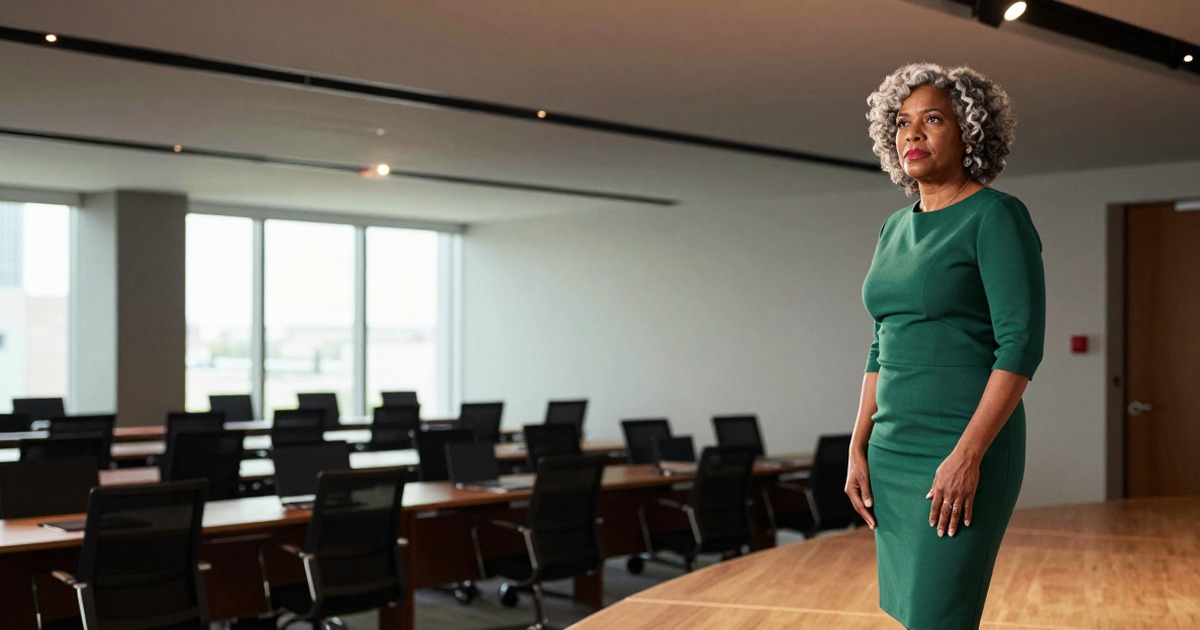
Your headshot appears before you do. Event organizers see it when deciding whether to book you. Podcast hosts check it before sending an invite. Book designers crop it for the back cover. Conference websites display it next to your session title.
One photo, dozens of contexts. Most speakers and authors treat this like a simple portrait session. They're wrong.
Why Speaker Headshots Are Different
The average professional needs a headshot that looks good on LinkedIn and the company website. Speakers and authors face more demanding requirements.
Your photo needs to work at thumbnail size on a conference app and at high resolution on a 6-foot banner at the event entrance. It needs to convey authority when displayed alongside industry veterans on a speaker bureau roster, but approachability when a reader decides whether to buy your book.
The resolution requirements alone eliminate most casual photos. Book cover designers typically request 300 DPI images at print size. Event organizers need files that won't pixelate on large displays. You can't extract a high-quality vertical crop from a horizontal group photo taken at last year's conference.
Traditional professional headshots cover the basics, but speakers need multiple variations from the same session. A tight headshot for author bios. A wider crop showing more upper body for event websites. Perhaps a more casual version for podcast guest profiles.
The Speaker Page Test
Pull up any major conference website. Look at the speaker lineup. Some photos make you want to attend that session. Others make you scroll past.
The difference isn't attractiveness. It's authority combined with accessibility. The best speaker headshots communicate expertise without standoffishness. They show someone who knows their subject but won't talk down to the audience.
Run this test on your current headshot: would you book yourself based on that photo alone? If the answer includes any hesitation, you have the wrong image.
Event organizers make snap judgments. Your photo competes with dozens of other speakers. The psychological impact of a confident, well-composed headshot matters more than most speakers realize. Research on what your headshot says about you shows that viewers form impressions in milliseconds.
Multi-Context Requirements
Book covers demand vertical compositions with space at the top for text overlay. Speaker bureaus prefer horizontal layouts that fit their roster pages. Podcast directories display square crops. Event websites use everything from circles to rectangles.
Photographers handle this by shooting multiple compositions. You're still locked into whatever lighting and outfit choices you made that day. If the dramatic lighting perfect for your book cover makes you look unapproachable on the event website, you need a second session.
The traditional solution is expensive: multiple professional sessions to cover different contexts and styles. The practical reality is that most speakers use the same photo everywhere and hope it works.
This creates real problems. A photo that establishes gravitas for a keynote speaker might read as cold for an author trying to connect with readers. An approachable headshot perfect for workshop facilitators might lack the authority needed for executive speaking engagements.
One Session, All Contexts
The goal is simple: one base image that adapts to every platform without losing impact.
Start with composition. Position yourself slightly off-center in the frame. This leaves room for text overlays and different crops without cutting into your face. Shoot both horizontal and vertical orientations.
Lighting matters more than camera quality. Even lighting across your face reads as professional and trustworthy. Dramatic shadows work for some niches but limit versatility. Personal branding through headshots requires consistency across platforms. Your lighting choices need to scale.
Background selection determines where the photo works. Solid neutral backgrounds adapt to any context. Environmental shots look great on author websites but clash with the clean layouts most speaker bureaus use.
Wardrobe runs parallel to background choices. What projects authority in your field? Tech speakers can go business casual. Financial speakers need formal attire. Authors have more flexibility but should match their book's tone.
The AI Advantage
AI headshot generation changed the economics entirely. Instead of multiple sessions with a photographer, you upload 10-15 photos and receive 200+ variations across different styles, backgrounds, and crops.
Services like AI headshots from Narkis.ai start at $27 for 200 photos across multiple styles. One upload session generates formal business looks for speaker bureaus, casual approachable shots for author bios, and everything in between.
The practical advantage is coverage. You get the tight headshot for the book cover, the wider crop for event websites, the square version for podcast directories. All derived from the same base image. Consistent face and expression across contexts, adapted presentation for each platform.
Traditional photography sessions lock you into one look. If the market shifts or your branding evolves, you need another session. AI generation lets you regenerate new variations from the same source photos. You can adapt to new requirements without starting over.
The resolution holds up. Modern AI headshots export at high enough quality for print use. Book designers and event organizers can't tell the difference. Neither can your audience.
Common Mistakes
Using the same casual photo everywhere signals that you don't take your speaking career seriously. Event organizers notice. So do book publishers.
Over-editing creates the opposite problem. Photos that look artificial or heavily retouched undermine the authenticity audiences expect from speakers and authors. The goal is polished, not plastic.
Outdated photos damage credibility. If you look significantly different when you walk on stage than you do in your headshot, audiences feel misled. Update your photos every 2-3 years minimum.
Ignoring context costs opportunities. A photo perfect for your business book might be wrong for the speaking circuit. A dramatic author photo might seem out of place on a workshop facilitator's speaker page. Generate options and use the right one for each context.
Getting It Done
Block two hours for a proper photo session. Good photos require good source material. Natural light near a window works better than overhead fluorescent lighting. Clear, well-lit images generate better AI results and give photographers better material to work with.
Shoot multiple outfits if your speaking topics vary. Tech conference audiences expect different presentation than corporate executives. Having options lets you match the photo to the engagement.
Test your headshots across actual platforms before committing. Upload them to speaker bureau profiles, mock up a book cover, see how they display on event websites. What looks great on your computer screen might fail at thumbnail size or when cropped to a circle.
Build a headshot library, not a single image. You need options for different contexts. Having them ready beats scrambling when an opportunity appears. Keep high-resolution originals of everything. You never know when you'll need to supply print-quality files on short notice.
FAQ
How often should speakers update their headshots?
Every 2-3 years minimum, or immediately after significant appearance changes. Your headshot should match how you look when you walk on stage. Event organizers and readers notice the disconnect when photos are outdated.
What resolution do I need for print materials?
300 DPI at the final print size. An 8x10 inch book cover needs at least 2400x3000 pixels. Most phone cameras and AI headshot services meet this requirement easily. Always check before sending files to designers.
Can I use the same headshot for my book and speaking engagements?
You can, but you probably shouldn't use the identical crop. Book covers often need vertical compositions with space for text. Speaker pages work better with horizontal or square crops. Generate multiple versions from the same session and use the appropriate crop for each context.
Do I need different headshots for different speaking topics?
Only if your topics span very different audiences. A tech conference keynote and a corporate training workshop can share the same professional headshot. A business book and a creative writing workshop probably need different presentations. Match the formality and style to the context.
Are AI headshots acceptable for professional speaking and publishing?
Yes. The technology has reached the point where quality AI headshots are indistinguishable from traditional photography for most applications. Book publishers, event organizers, and speaker bureaus care about the final result, not the method of creation. Just ensure the resolution and quality meet professional standards.